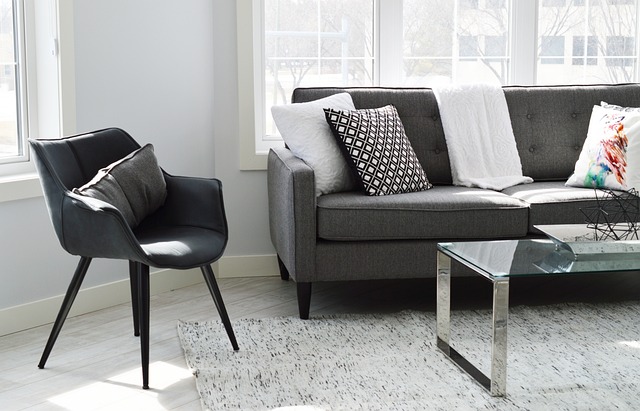
When it comes to furnishing your home, the sheer number of choices can be overwhelming. With so many styles, materials, and functionalities to consider, it’s easy to get caught up in the excitement and end up with pieces that don’t quite fit your needs or aesthetic. To help you navigate the furniture-buying process, we’ve created the ultimate checklist. By keeping these factors in mind, you’ll be better equipped to make informed decisions and create a space that truly feels like home.
1. Define Your Needs
Before you start shopping, take a moment to assess your needs. Think about the function of the space and the role the furniture will play. Are you looking for a cozy reading nook, a stylish dining area, or a practical workspace? Each of these functions will influence the type of furniture you need. For example, a compact sofa may be perfect for a small apartment, while a large sectional might be better suited for a spacious living room.
2. Measure Your Space
One of the most crucial steps in buying furniture is measuring your space accurately. You’ll want to ensure that the pieces you choose fit comfortably within the dimensions of the room. Use a tape measure to record the length, width, and height of the area where the furniture will go. Don’t forget to measure doorways and hallways to make sure your new pieces can be easily delivered and positioned.
Additionally, consider the flow of the room. Leave enough space around furniture for easy movement and ensure that doors and windows can open without obstruction. Creating a floor plan or using online room planner tools can help you visualize how different pieces will fit into your space.
3. Consider Your Style
Your home’s decor should reflect your personal style, and choosing furniture that complements this aesthetic is key. Whether you prefer modern, traditional, eclectic, or minimalist design, the furniture you select should harmonize with your existing decor. Take note of the colors, patterns, and materials that are already present in your home.
If you’re starting from scratch, think about what appeals to you most and explore different styles. Gather inspiration from magazines, websites, or social media platforms like Pinterest and Instagram. Creating a mood board can help you see how various elements come together and narrow down your choices.
4. Choose Quality Materials
When investing in furniture, it’s essential to consider the quality of materials. High-quality materials not only enhance the durability of your pieces but also contribute to the overall comfort and aesthetics. Look for furniture made from solid wood, high-density foam, and durable fabrics.
Examine the craftsmanship of each piece. Check for sturdy construction, well-joined corners, and smooth finishes. If you’re buying upholstered furniture, inspect the fabric for signs of wear and tear, and check if it’s easy to clean. For leather pieces, ensure the leather is supple and free of cracks.
5. Budget Wisely
Setting a budget before you start shopping is crucial. Determine how much you’re willing to spend and stick to it. Keep in mind that quality furniture can be an investment, and it’s worth spending a bit more on pieces that will last longer and enhance your home. However, you don’t have to break the bank to find stylish and functional furniture.
Consider prioritizing your purchases. Start with essential pieces and gradually add to your collection. Look for sales, discounts, and second-hand options to stretch your budget further. Many retailers offer financing options if you prefer to spread out the cost over time.
6. Think About Functionality
Functionality is as important as style when choosing furniture. Think about how each piece will be used and whether it meets your needs. For example, if you have a small living room, a sofa bed might be a practical choice. If you entertain frequently, a dining table with extendable leaves could be useful.
Look for furniture with built-in storage solutions if you’re short on space. Pieces like ottomans with storage compartments or coffee tables with shelves can help you stay organized and keep your space clutter-free. Multifunctional furniture can provide added convenience and versatility.
7. Test Comfort and Usability
If possible, test the furniture before you buy it. Sit on sofas and chairs to ensure they are comfortable and provide adequate support. Open and close drawers and doors to check for smooth operation. If you’re purchasing online, read reviews and look for detailed product descriptions that address comfort and usability.
Consider how the furniture will fit into your daily life. A dining chair should be comfortable for long meals, and a work desk should be at the right height for your computer setup. Comfort and usability are key factors in ensuring you’re satisfied with your purchase for years to come.
8. Review Return Policies
Even with careful planning, sometimes furniture doesn’t work out as expected. Before making a purchase, review the store’s return policy. Ensure you understand the terms and conditions for returns, exchanges, and refunds. Check if there are any restocking fees or specific requirements for returning items.
Having a flexible return policy can provide peace of mind, especially when buying furniture online or sight unseen. Some retailers offer satisfaction guarantees, which can be a valuable option if you’re unsure about your choice.
Conclusion
Choosing the right furniture involves more than just picking out pieces that look good. By following this checklist, you’ll ensure that your selections are functional, comfortable, and perfectly suited to your space and style. Remember to take your time, do your research, and consider all factors before making a decision. With careful planning, you can create a home that is both beautiful and practical, reflecting your personal taste and enhancing your daily life.