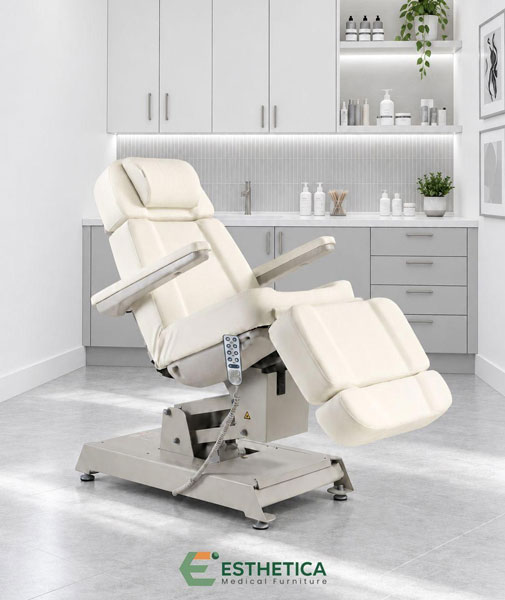
Independent dermatology clinics need a treatment chair that fits a first procedure room and a careful budget. Hydraulic height adjustment covers many routine procedures, while electric models suit practices expecting heavier caseloads and more frequent repositioning during longer skin treatments.
Opening a first dedicated treatment room makes every equipment decision feel heavier. Most of the attention lands on the treatment chair. Many independent dermatologists start by comparing derma chairs from leading dialysis chair manufacturers, since the same companies understand patient seating and clinical upholstery and can support the practice as it grows.
A First Treatment Room that Earns Patient Trust
Choosing a Supplier with Clinical Seating Experience: Smaller practices rarely have an in-house biomedical team to fix equipment. That makes the supplier choice matter almost as much as the chair. Leading dialysis chair manufacturers that also build derma chairs bring years of experience with welded frames and disinfectant-resistant upholstery, and they can usually offer spare parts and service visits within reasonable timelines.
Starting with a Simple, Dependable Lift: For a new clinic, a derma chair hydraulic system offers a sensible entry point. A foot pump raises the seat to the doctor’s working height, and a release lever lowers it gently for the patient to step off. Fewer electrical parts mean fewer things to service, which suits a practice still building its patient base.
Working Height that Protects the Doctor’s Back
Setting the Right Height for Minor Procedures: Dermatologists spend long stretches leaning over a patient’s face or forearm. A derma chair hydraulic system lets the doctor set a comfortable working height before each case, which helps with precise work such as skin biopsies. Posture holds up better across a clinic day, and hands stay steadier when the shoulders are not hunched.
Matching Chair Movement to Each Treatment: Some procedures need the patient fully upright. Others work best with the backrest partly reclined so light falls evenly across the face. For chemical peels, a stable half-reclined position keeps the head still and lets the doctor watch the skin react without the patient shifting. A hydraulic chair handles these settings well, though each change takes a few manual steps.
Comparing Options before the Purchase Order Goes Out
Planning Upkeep from the First Day: Hydraulic chairs ask for little, but they do ask for something. Seals wear and pumps lose pressure over time if nobody checks them. A simple preventive maintenance schedule, agreed with the supplier at purchase, keeps the chair lifting smoothly and avoids cancelled appointments when a part gives out on a busy morning.
Points to Compare before Signing: Clinics weighing hydraulic and electric chairs can look at:
- Positioning range for the procedures you actually perform
- How quickly staff reset the chair between patients
- Service access and spare parts
- Budget for the chair now, and for an upgrade later on if patient numbers rise
Knowing when Electric Control Makes Sense: Busy clinics with a wide case mix, from laser sessions to longer surgical work, may outgrow a foot pump. Electric chairs with motorised tilt and programmable handsets let the doctor recall preferred positions at a touch. Leading dialysis chair manufacturers with their own derma range offer both options, so a practice can move up without changing suppliers.
A Treatment Room Ready to Grow with Your Practice
A well-chosen first chair carries a clinic through its early months and sets the standard that patients come to expect. Plan for practice growth now, even if the first purchase stays simple. Speak with a medical furniture manufacturer about hydraulic and electric derma chairs, and request a side-by-side specification sheet before you finalise your treatment room.