Renovations often turn up old roofing, guttering, window frames, copper pipe and steel fixtures. Knowing which household metals can be recycled, and how mixed items are assessed, helps homeowners keep usable material out of landfill.
Home renovations tend to produce more metal than people expect. A kitchen refit, a re-roof or a new set of windows can leave behind guttering, frames, pipe and old fixtures, and much of that is scrap metal suited to recycling. Knowing what these materials are makes it easier to plan where they go once the work is finished.
Construction and demolition waste includes material left over from home renovations, and metal is one part of that stream that can be recovered. Most of it comes out of the house while tradespeople are on the job. Removing roofing, plumbing, wiring and structural items should stay with appropriately qualified tradespeople. The homeowner’s part usually starts afterwards, when the material needs somewhere to go other than the general waste skip.
Roofing, Guttering and Downpipes
Old Metal Roof Sheets: Re-roofing an older home often leaves a stack of corrugated sheets, ridge capping and flashings. Galvanised steel and coated steel sheeting are common roofing metals and are generally suited to recycling. Roof work involves heights and fragile surfaces, so removal is a job for a qualified roofer rather than the homeowner.
Guttering and Downpipes: Guttering and downpipes may be steel or aluminium, and on some older and heritage homes they are copper. Many homes also have PVC downpipes, which are plastic and do not belong with recyclable metal. Brackets, screws and leaf guards often stay attached when sections come down, so these items may be assessed separately from clean metal.
Older Building Materials and Asbestos: Older homes may contain asbestos-cement products in eaves, roofing, fencing and wall sheeting, sometimes close to metal components. Asbestos cannot be identified by appearance alone. Any suspected material needs to be assessed by a qualified person and handled by a licensed removalist. SRS Metals does not accept hazardous materials, including asbestos-containing materials, so metal that may be contaminated cannot be dropped off.
Window Frames, Doors and Metal Fittings
Aluminium Window Frames: Aluminium window frames are commonly removed when homes are renovated or windows are upgraded. These frames may contain glass, rubber seals, plastic tracks or other non-metal attachments, which can affect how they are assessed for recycling. Customers should contact SRS Metals before bringing in window frames containing glass or other attachments to confirm acceptance requirements. Any glass removal or other work requiring specialist handling should be left to appropriately qualified professionals.
Door Hardware and Smaller Fittings: Renovations also turn up smaller pieces such as brass door handles, hinges, sliding door tracks, security screen frames and old curtain rods. These items are easy to overlook, but they add up across a whole house. Keeping them together in a box or bucket as the work progresses makes them simpler to bring in with the larger metal.
Copper Pipe and Plumbing Materials
Copper Pipe From Bathroom and Kitchen Work: Older homes often have copper water pipes, which may be replaced during a bathroom or kitchen renovation. Plumbing work must be carried out by a licensed plumber, so pipe removal stays with them. Once it is out, copper pipe can usually be recycled. Pipe with insulation, solder joints or brass fittings attached may be assessed separately from clean copper.
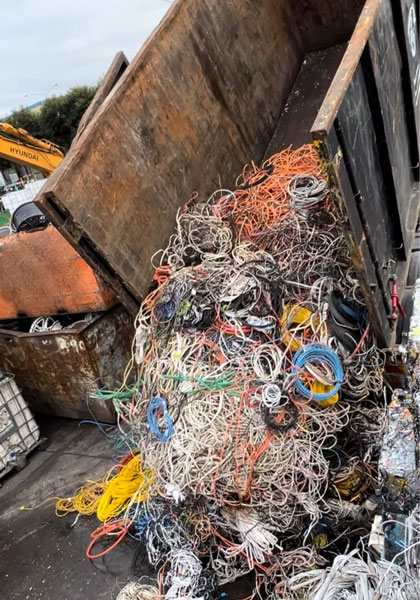
Tapware, Valves and Electrical Cable: Taps and valves are commonly made from brass, often with chrome plating and plastic or rubber parts inside. Rewiring can also leave lengths of copper cable in plastic sheathing. Electrical work must be done by a licensed electrician, and cable should only be handled once it has been safely removed. Plastic pipe such as PEX or PVC is not metal and belongs in a different waste stream.
Steel Fixtures and Other Household Metals
Shelving, Gates and Fencing: Steel shelving from garages and laundries, old gates, pool fence panels and balustrades are common renovation leftovers. Many have timber, glass, concrete footings or plastic fittings attached, and these may be assessed separately from the metal. Large or heavy fixtures, especially anything set in concrete or supporting part of a structure, should be removed by a qualified tradesperson.
Other Items Worth Setting Aside: A renovation is often a good time to clear out other metal around the house. Items that may be suitable for recycling include:
- Stainless steel sinks and benchtops.
- Cast iron bathtubs and laundry tubs.
- Steel and aluminium outdoor furniture frames.
- Old clothesline frames and garden edging.
- Aluminium ladders that are no longer safe to use.
Dropping Off Household Metal for Recycling
Residential Drop-Off Only: Residential customers are welcome to drop off suitable recyclable metals at SRS Metals’ Thomastown, Hobart and Burnie locations during trading hours. SRS Metals does not provide residential scrap metal collection. Customers with larger quantities or items containing non-metal attachments are encouraged to contact their nearest location before visiting to confirm acceptance requirements.
What to Expect When Material Is Assessed: Not every household item has a purchase value. Pricing depends on the type, grade, condition and quantity of the metal, along with current market conditions, and items with attachments may be assessed separately. Contacting the location before a visit can help confirm whether a particular item is accepted.
Giving Renovation Metal a Second Use
Old guttering, window frames, pipe and steel fixtures do not have to end their life in landfill. Before a renovation starts, it is worth asking the tradespeople which metals will come out and setting aside a spot to keep them together once removed. Suitable recyclable metals can then be dropped off at SRS Metals locations in Melbourne, Hobart and Burnie during trading hours. For enquiries, contact enquiries@srsmetals.com.au.